Mobility and Freedom on Wheels: Navigating Mexico’s Transportation Landscape Through New Alternatives
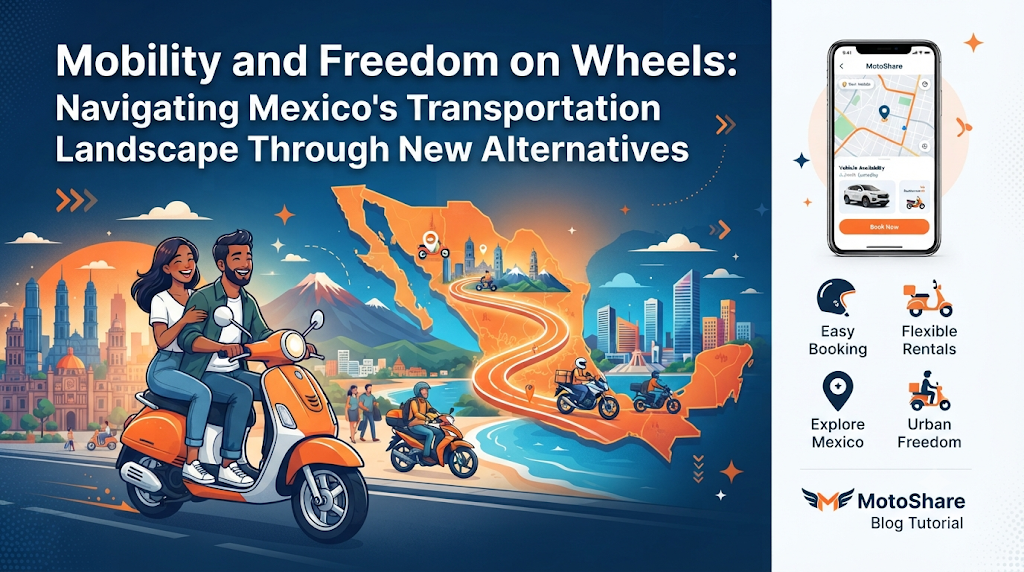
Mexico’s territory features a vast, diverse, and deeply dynamic geography. From the congested roadways of Mexico City to the winding coastal highways of the Yucatán Peninsula or the industrial corridors of the Bajío, how we get around defines our productivity, free time, and quality of life. For decades, owning a private vehicle was the only accepted answer for solving personal mobility. However, rising maintenance costs, environmental restrictions, and a new sensitivity toward resource efficiency have transformed this landscape. Today, flexibility has become the ultimate luxury, driving a shift toward temporary access models that redefine how we experience the country.
For the urban resident seeking daily traffic workarounds, the business traveler landing unexpectedly in Monterrey, or the enthusiast planning a weekend getaway on two wheels, traditional long-term rentals or rigid vehicle purchases no longer fit every scenario. This is where collaborative economy platforms and digital marketplaces have gained essential ground, connecting vehicle owners with those who need temporary transportation without the financial burdens of ownership.
The Evolution of Urban Commuting in Mexican Metropolises
Living in major urban centers like Guadalajara, Monterrey, or the nation’s capital means dealing with daily traffic congestion and the constant search for parking. In this environment, motorcycles have shifted from simple delivery tools into agile personal transport alternatives. For those navigating dense zones, motorcycle rentals in Mexico City offer a direct solution to cut commute times and optimize fuel consumption.
The versatility of an agile transport mode helps users bypass the most complex bottlenecks in the Metropolitan Area. However, purchasing a motorcycle does not always make financial sense for someone who needs it only seasonally, for specific projects, or as a pilot test before committing to ownership. This is where daily motorcycle rentals become crucial, offering short-duration arrangements that adapt precisely to the user’s schedule without compromising liquidity.
When examining how much it costs to rent a motorcycle in Mexico, it is clear that there is no single fixed rate. The final budget depends on several structural factors:
- Displacement and category: Ranging from utility scooters designed for daily traffic to higher-power motorcycles.
- Rental duration: Daily rates often adjust favorably when the usage period extends across weeks.
- Geographic location: Tariffs vary considerably between beach resort destinations and the country’s financial centers.
- Coverage policies and security deposits: Essential elements safeguarding both the provider and the user.
This economic variability fosters a dynamic market where comparing options becomes the smartest step for an informed consumer.
The Joy of the Open Road: From Daily Utility to Sports Performance
Beyond the utilitarian need to reach an appointment or avoid morning traffic, Mexico possesses a deeply rooted recreational motorcycle culture. Weekends transform escapes into the mountainous regions surrounding the Valley of Mexico, highways toward Cuernavaca, or scenic routes in Jalisco into meeting points for freedom-loving riders.
For experienced riders who do not own a high-performance model in their garage but want to experience a powerful machine for a special ride, sports motorcycle rentals in Mexico City and other major cities open up experiences previously reserved exclusively for direct buyers. Models from recognized brands like Bajaj, Honda, or high-end configurations allow enthusiasts to enjoy cutting-edge technology, high-performance brakes, and precise acceleration response without shouldering annual depreciation on a luxury asset.
However, enjoying a high-performance motorcycle demands a strict commitment to safety. Defensive riding experts continually remind riders that power must be matched with proper protective gear—certified helmets, ventilated jackets with integrated armor, gloves, and specialized footwear—alongside deep knowledge of local traffic regulations. Riding responsibility is non-negotiable, and rental providers emphasize having the appropriate driver’s license for the specific motorcycle category.
Beyond Two Wheels: Automobiles and the Energy Transition in Cities
While motorcycles dominate in agility, family, corporate, and long-distance highway travel require automobiles. Car rentals in Mexico City and major industrial centers have evolved to leave behind traditional, complex counters, integrating digital processes that prioritize speed and transparency.
Whether handling an unexpected business trip to Puebla, a family visit to Querétaro, or a vacation exploring the coasts of Yucatán, having the right vehicle makes the difference between a grueling commute and a pleasant experience. Available market options range from efficient compacts ideal for tight parking spaces to spacious SUVs designed for passenger comfort and abundant luggage.
Simultaneously, environmental awareness is reshaping Mexican driving preferences. The gradual integration of clean technologies focuses attention on electric car rentals in Mexico City, a direct response to vehicle verification regulations, circulation restrictions exemptions, and growing interest in reducing urban carbon footprints.
Renting an electric vehicle by the day or for extended periods allows citizens to experience silent driving, immediate electric torque response, and charging dynamics at capital charging stations. Nonetheless, before choosing this option, users should plan daily routes and verify charging point locations compatible with the chosen model to ensure a smooth transition to electromobility.
The Modern Driver’s Dynamics: Flexibility Versus Rigidity
When evaluating car rental options in Mexico, modern drivers increasingly value the elimination of bureaucratic procedures and excessive deposits. Accessing daily car rentals provides an immediate response to everyday contingencies, such as vehicle repairs, temporary family visits, or logistics needs outside the city.
Digital platforms facilitate this process by grouping a wide variety of alternatives into a single digital space, allowing users to compare prices in Mexican pesos, review technical specs, and coordinate reservations directly with local providers or private owners. This technological ecosystem fosters a transparent environment where renters and owners alike find a safe, structured meeting point.
The Value of Idle Assets: An Opportunity for Owners
Mexico’s mobility landscape is not limited to those needing temporary transport; it also includes a growing community of vehicle owners whose cars or motorcycles sit parked much of the week. An unused vehicle represents ongoing fixed costs in insurance, vehicle taxes, maintenance, and natural depreciation.
To counter these expenses, publishing vehicle listings for rent for free on specialized platforms has become an attractive strategy for generating extra income. By renting out units when not in use, owners transform a passive asset into a financial return that helps cover operating costs.
Successfully managing this process requires adhering to fundamental guidelines:
- Clear, detailed photographs: Displaying the vehicle’s actual condition builds immediate trust with potential renters.
- Transparent descriptions: Specifying mileage, estimated fuel economy, model year, and special features prevents misunderstandings.
- Up-to-date maintenance: A vehicle with recent mechanical services guarantees optimal performance and reduces risks during the rental period.
- Open communication: Establishing clear pickup, return, and usage rules fosters transparent relationships and positive platform reviews.
This dual market dynamic—where anyone can act as consumer or provider—energizes the local economy and democratizes transport access in major cities.
Conclusions on the Future of Mobility in Mexico
Mexico’s transportation ecosystem is undergoing a profound transformation. The rigidity of traditional ownership models is giving way to flexible, digital, collaborative economy solutions. Whether optimizing daily commutes with a utility motorcycle, enjoying a weekend getaway on a sports model, or resolving a family trip with an efficient or electric car, today’s alternatives place control firmly in the hands of the user.
Navigating this new landscape requires clear information, planning, and a willingness to explore digital tools that simplify decision-making. By integrating technology with real mobility needs across Mexican metropolises, transportation stops being a logistical obstacle and becomes an enabler of experiences and opportunities on every journey.
Leave a Reply